

Fail-Safe vs Fail-Secure: get it right first time
As smart locking and powered access control grow in popularity, one topic is becoming increasingly important – understanding the difference between fail-safe and fail-secure locking, and when to use each.
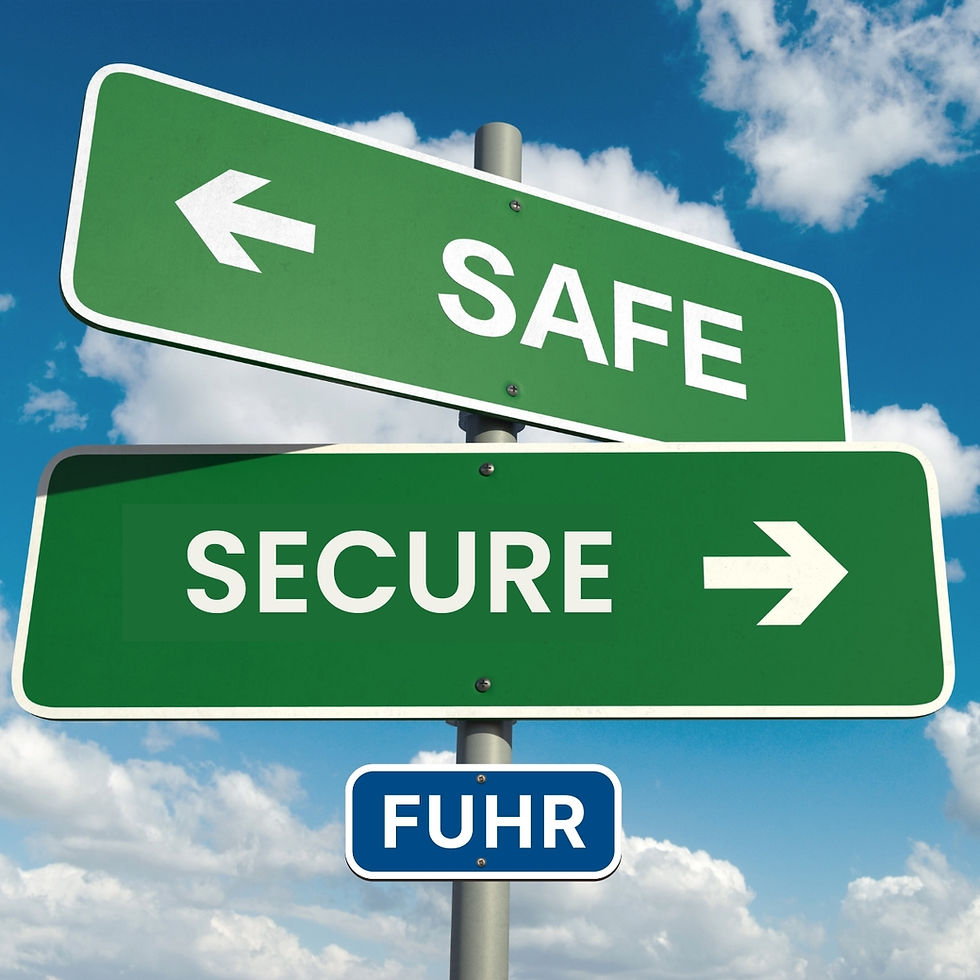
In simple terms, a fail-safe lock will automatically unlock in the event of a power failure, ensuring safe exit for occupants. This is critical for life safety applications such as escape routes in public buildings, where building regulations or EN 1125 and EN 179 standards may require it. A fail-secure lock, by contrast, will stay locked without power, protecting against unauthorised entry.
With over 165 years of German engineering expertise, FUHR manufactures multipoint locking systems, supplying fabricators and system houses across the UK and Europe.
Paul Balfe, FUHR UK’s Business Development Manager, said: “The key to getting this decision right is understanding how the door will be used – both in day-to-day operation and in an emergency. The wrong choice can lead to costly retrofits, delays, or worse, non-compliance with building regulations. The conversation needs to happen at the start of the project, ideally when access control, automation and integration with building management systems are first being considered.”
Real-world scenarios vary widely. A staff entrance to a secure facility might require fail-secure operation, while an adjacent fire escape door could need fail-safe release. In multi-door projects, both may be needed – which is why FUHR’s motorised locks can be configured for either mode, sometimes even within the same installation.





.png)
